Uncategorized
What Are Mini Cattles?
Jul
What Are the Miniature or Mini Cattle? The Small-Scale Farmer’s Complete Manual for Miniature Livestock
Introduction
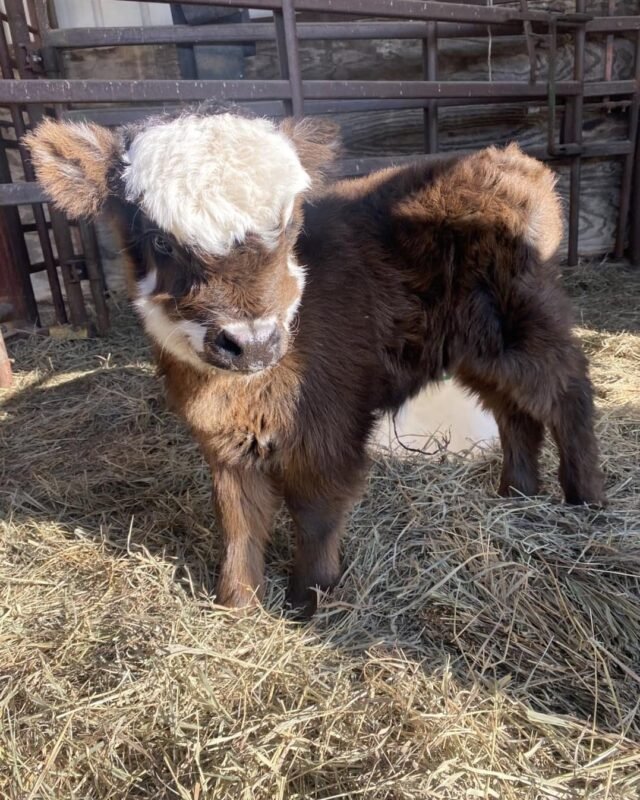
What are miniature cows? Miniature cows, or minicows, are charming little cows that are almost entirely maintenance-free, along with traditional cows. Mini cows are also categorized as cows. Their height ranges from 36 to 48 inches at the shoulder, with an average weight of 500 to 800 pounds, which is approximately a third of an average-sized cow.
Main Features of Miniature Cows
Workable livestock: Miniature cows can either be milked or raised for beef or can be kept for milk and bred to have calves.
Compact size: Theyfood and are easier to handle. Facilities spent for the cows are reduced.
Gentle disposition: Known to be friendly and calm, they can be family farm pets or wonderful family mini cows and great to have.
Long lifespan: Depending on the care, bred mini cows can live from 12 to 20 years.
Why Mini Cows Humans select mini
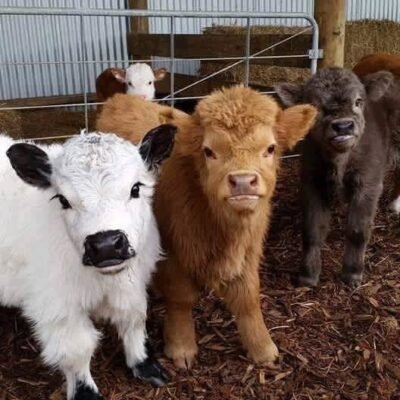
As the small miniature cows do not require a lot of space to roam freely, they are ideal for small farms or homesteads.
Across North America, mini cattle have been seen to become a favorite for small farm owners, hobby homesteaders, and animal lovers. But what are mini or miniature cattle? In this blog, we cover all the details you should know about miniature cows, including their size, price, uses, and maintenance. Whether you are looking for a unique animal or a valuable farm asset, mini cattle will surely meet your needs.
Understanding What Mini Cattles Are
Miniature cattle most often refer to small, proportionally sized versions of popular breeds of cows. They stand about 36 to 48 inches and weigh 500 to 800 pounds. Mini cattle are fully productive cows and bulls (just like their larger counterparts). They are ideal for small farms, smaller backyards (where permitted), and beginners.
History and Origin of Miniature Cattle
Miniature cattle are not an entirely new idea. Certain breeds, such as Dexters, have always been small for centuries. In the past few decades, breeders have created mini versions of standard cattle such as Herefords and Angus by selectively crossing them with smaller cattle of different breeds, ensuring that the offspring would be able to retain desirable characteristics such as meat or milk production.
More Commonly Located Miniature Breeds Of Cattle
Such breeds of cattle that are considered to be smaller and popular for the same are
-Easy to handle Miniature Herefords that are great for beef production
-Dexters are hardy and efficient for both meat and dairy.
-Mini Jerseys are great for high-butterfat milk.
-Friendly and long-haired Mini Highland Cattle.
-Lowline Angus are smaller and great for beef.
-Positives of Small Cattles
-Mini-sized cattle come with numerous advantages:
-Require less land.
-Feeding less of the cattle.
-Easy to carry and clean.
-More suited to being around children.
-Self-use of the produced meat and milk, as the quantities are smaller.
Would Mini Cattles Be Suitable For Small Farms?
Certainly! Farms with lesser land area, urban farms, or homesteads are best suited with the mini breed, as they reduce the resource needs for cattle and serve the same purpose. In addition, mini cattle fit into rotational grazing systems and setups that are organic.
Mini Cows Weight Classification
Miniature cows are classified as
Under 43 inches are termed as micro mini.
43 to 49 inches are called miniature.
Midsized stays are between 49 and 56 inches.
With all these categories for mini cattle, standard cows still excel with their weight of 1000 to 1200.
How to Care for Mini Cattle
Looking after mini cows parallels managing standard cattle, just scaled down a bit:
Pasture or hay: 1-2 bales per week
Clean water: Fresh, daily
Minerals: Loose or block form
Vaccinations and hoof care: Regular intervals, like other livestock
Mini Cattle for Milk and Meat
Mini cattle can be
Dairy producers: Mini Jerseys can produce 1 to 2 gallons of milk daily
Beef cattle: Mini Herefords and Lowlines provide high-quality meat in smaller portions
These miniatures perfectly suit families seeking self-sufficiency without excess livestock.
Temperament and Family Friendliness
With proper training, mini cattle can be
Gentle, curious, and calm
Halter broken
Walked on lead ropes
Hand- or bottle-milked
This makes mini cattle wonderful companions and educational pets for children.
Cost of Mini Cattle Ownership
Purchase price: $1,500–$4,000 per cow, depending on breed and age
Feed: ~$40–$60/month
Vet and care: ~$100–$300/year
Shelter/fencing setup: $1,000–$3,000 upfront (can vary widely)
Mini Cattle Housing and Fencing
You will need:
3-sided or small barn shelter
Woven wire or electric fencing (4+ feet)
Clean, shaded bedding and good drainage extend from half to one acre per animal for pasture.
Where to Purchase Mini Cattle
Consider buying from reputable breeders (those with valid references, herd health information, and a proper lineage).
Livestock expos and events
Classifieds like Craigslist or Hoobly
Miniature cattle registries
As always, we recommend you do proper and thorough research and visit the farms before buying.
Questions and Answers
1. Are mini cattle real cows? Yes, they are smaller, but genetically they are real cows.
2. Can I milk a mini cow? Yes, and so do most people with mini Jerseys and mini Dexters.
3. How much space do I need? Around half an acre to an acre is ideal for a mini cow.
4. Do mini cows make good pets? They can make good pets. They are social and affectionate with proper training and care.
5. Can I keep them in my backyard? This is only possible if local zoning regulations for your area allow livestock.
6. How long do mini cows live? With good care, most mini cows live between 12 and 20 years.
Summary
Mini cattle are simply efficient and charming livestock with all the benefits of traditional livestock, only in a smaller, easier-to-manage form. They are ideal farming companions for beginners or for those downsizing their homestead.
Note: Click on the button below if you’re ready to get a miniature cow
GET MINI COW NOW
